
In the world of management, marketing, and sales, metrics often appear to be absolute—numbers that “tell the truth.” However, just as countries are frequently misrepresented on geographic maps, business metrics can seem precise while still leading to incorrect conclusions.
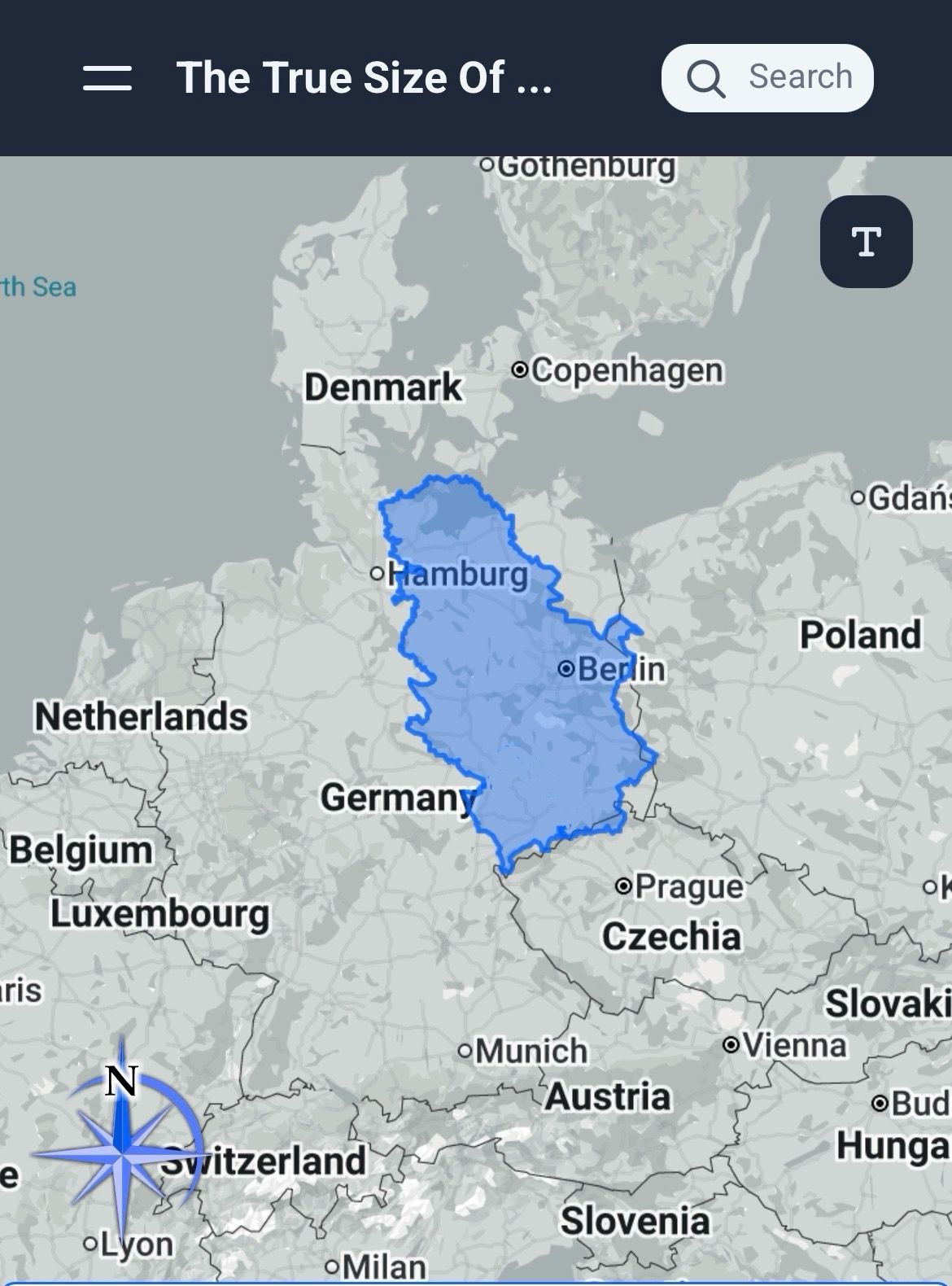
Just as The True Size Of reveals that Africa is significantly larger than it appears on the standard Mercator projection, while Greenland is shown disproportionately large, marketing teams face a similar risk of misinterpreting what a metric actually indicates.
Metrics Can Be Accurate—Yet Incorrectly Interpreted
Research shows:
- 74% of marketing teams admit making decisions based on “surface-level” metrics, such as website visits or follower counts, even though these indicators often do not correlate with actual business outcomes (HubSpot Research).
- Companies that rely on deeper, contextual metrics are up to 60% more likely to exceed annual commercial targets (McKinsey Analytics).
- Only 28% of B2B organizations systematically tie marketing metrics to revenue, while the majority rely on intuition or isolated indicators (Gartner B2B Benchmark).
These findings clearly show that the accuracy of a number does not guarantee the accuracy of its interpretation. The same figure may appear “large” or “small” depending on context—just as Serbia appears larger or smaller depending on which country it is visually compared with.
Why Does This Happen?
In the B2B environment, especially in digital marketing, three typical distortions occur:
- The Mercator Effect of Metrics – Basic metrics (traffic, impressions, CTR) appear more significant than their actual contribution to results.
- The Greenland Phenomenon – Certain indicators are overvalued simply because they are more “visible,” even when they are not materially meaningful.
- The Africa Paradox – Deep, strategic metrics such as LTV, CAC, NPS, or contribution margin, although crucial, often seem “smaller” or less important because they require more complex analysis.
What Can Companies Do?
The most successful organizations adopt a strategy of multidimensional measurement, which includes:
- Comparing multiple types of metrics (leading & lagging).
- Linking marketing indicators directly to revenue.
- Analyzing trends over time instead of relying on isolated data points.
- Combining qualitative insights with quantitative data (e.g., customer feedback, CX insights).
This approach has been proven to drive 40–70% higher marketing ROI in the B2B sector (Forrester Performance Study).
Conclusion
Just as a geographic map does not always reveal the true dimensions of a territory, no single metric can fully capture the reality of a business. It is therefore essential to observe the “true size” of data—through multiple angles and with deeper context.
Only then can companies make decisions that are accurate, strategic, and growth-oriented—not merely optimized for better-looking numbers.